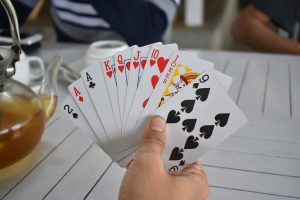
Nobody sits down for a movie night and feels anxious about whether they’re getting their money’s worth from the ticket. Nobody orders dinner at a restaurant and tracks every bite against some imagined return on investment. Gambling, when it’s working the way it should, belongs in that same category: entertainment purchased with money you’ve already decided you’re comfortable spending, not an activity you’re hoping will pay you back. The moment gambling starts feeling like the second thing instead of the first is usually the moment worth paying closer attention to.
This article focuses specifically on keeping gambling genuinely fun, treating responsible play not as a restriction on enjoyment but as the actual mechanism that protects it.
Treat Gambling Like Any Other Entertainment Expense
The single most useful mental shift for keeping gambling enjoyable is treating it exactly like any other leisure spending category, with the same upfront budgeting most people already apply elsewhere.
| Entertainment Category | Typical Budgeting Approach |
|---|---|
| Concert tickets | Fixed price decided before purchase |
| Dining out | Rough budget in mind before ordering |
| Streaming subscriptions | Fixed monthly cost, rarely reconsidered mid-use |
| Gambling | Often approached without the same upfront limit |
Applying this same fixed-cost mindset to gambling, deciding what you’re willing to spend before you start, removes the pressure to “win back” losses partway through, since the money was already mentally categorized as spent the moment you sat down, just like a concert ticket you don’t expect a refund on.
Recognize The Difference Between Fun and Chasing
There’s a specific, recognizable shift that happens when gambling stops being entertainment and starts becoming something else, and learning to notice that shift early is one of the most valuable skills a player can develop.
| Signal | What It Usually Means |
|---|---|
| Enjoying the game itself, win or lose | Genuine entertainment |
| Feeling relief only when winning back losses | Shifted toward chasing |
| Planning the next session around recovering money | Shifted away from entertainment |
| Continuing past your planned stopping point “just to get even” | Clear chasing behavior |
This distinction matters because chasing losses is rarely about the game anymore. It’s about trying to undo a financial outcome, which almost never actually restores the fun that made the activity appealing in the first place.
Set Limits Before The Fun Starts, Not After It Fades
The most effective responsible gaming tools work precisely because they’re set during a calm, rational moment rather than adjusted mid-session when judgment is already compromised.
| Tool | How It Protects Enjoyment |
|---|---|
| Deposit limit | Keeps spending within a range you already decided was comfortable |
| Loss limit | Ends the session automatically before losses erode the fun |
| Session time limit | Prevents fatigue from turning enjoyment into obligation |
Setting these limits isn’t an admission that something is wrong. It’s the same logic as setting an alarm before a nap so you don’t oversleep through the rest of your day, a simple structural safeguard that protects the experience rather than restricting it.
Notice When Fatigue Starts Replacing Enjoyment
Extended sessions, especially in fast-paced games, can quietly shift from genuinely fun to something closer to autopilot, and recognizing that shift is a practical skill worth building.
Practical signs that fatigue may be replacing enjoyment:
- You’re still playing but can’t clearly remember whether the last several rounds felt entertaining
- The session has continued well past your original time estimate without a conscious decision to extend it
- You feel a vague obligation to keep playing rather than active interest in the game itself
- Taking a short break feels harder to justify than continuing, even though nothing is actively pulling you forward
| Fatigue Indicator | Suggested Response |
|---|---|
| Losing track of session length | Use a session time limit as an external check |
| Playing without active enjoyment | Take a deliberate short break |
Balance Gambling With Other Sources Of Entertainment
Gambling stays most enjoyable when it remains one entertainment option among several, rather than becoming the default activity whenever there’s free time to fill.
| Balanced Entertainment Approach | Single-Activity Approach |
|---|---|
| Gambling alongside other hobbies and social activities | Gambling as the primary or only leisure outlet |
| Variety keeps each activity feeling fresh | Repetition can dull enjoyment over time |
| Reduces pressure on any single activity to “deliver” fun | Places all entertainment expectations on one outlet |
This balance matters because relying on any single activity, gambling included, to consistently deliver the same level of enjoyment tends to backfire, while a varied entertainment routine keeps each individual activity, including gambling, feeling genuinely engaging rather than habitual.
Separate Wins From Validation
A subtle but important part of keeping gambling fun involves not letting individual session outcomes define how you feel about yourself or the activity as a whole.
| Mindset | Effect On Long-Term Enjoyment |
|---|---|
| Wins are a pleasant bonus, not a measure of skill or worth | Sustains enjoyment across both winning and losing sessions |
| Losses are the expected cost of entertainment, not a personal failure | Prevents frustration from accumulating session to session |
Games like slots, roulette, and baccarat involve outcomes that are statistically independent of any personal skill, which means tying self-worth or mood too closely to short-term results creates unnecessary emotional volatility around what is, mathematically, closer to random chance than personal performance.
Use Reality Checks To Stay Grounded In The Moment
Many licensed platforms offer reality check notifications, periodic on-screen reminders showing elapsed time and amount spent, and actively using this feature helps keep the entertainment framing intact throughout a session.
| Reality Check Element | Practical Value |
|---|---|
| Elapsed session time display | Counters the tendency to lose track of time during fast-paced play |
| Running total spent | Keeps actual spending visible rather than abstract |
These periodic check-ins work precisely because they interrupt the immersive flow of play just enough to reconnect a player with their original plan, without requiring the player to actively remember to check on their own.
Comparison Table: Fun-Preserving Habits At A Glance
| Habit | Why It Keeps Gambling Fun |
|---|---|
| Fixed entertainment budget set in advance | Removes pressure to “win back” spent money |
| Recognizing chasing behavior early | Prevents entertainment from becoming financial recovery |
| Limits set before sessions begin | Protects enjoyment before fatigue or losses erode it |
| Balanced entertainment routine | Prevents any single activity from feeling obligatory |
| Separating outcomes from self-worth | Sustains enjoyment across wins and losses alike |
| Active use of reality check tools | Keeps spending and time visible throughout play |
Where To Find Support If Gambling Stops Feeling Fun
If gambling has shifted from an enjoyable activity into something that feels difficult to control, confidential support is available and reaching out is a practical step, not an admission of failure.
Organizations such as the National Council on Problem Gambling and similar regional support services offer confidential helplines for players and their loved ones, and most licensed gambling platforms also provide direct links to self-exclusion tools and local support resources within their account settings.
Frequently Asked Questions About Keeping Gambling Fun
How do I know if I’m still gambling for fun or starting to chase losses?
A useful check is noticing whether you’re enjoying the game itself regardless of outcome, versus only feeling relief when you win back money you’ve lost; planning sessions specifically around recovering previous losses, or continuing past your intended stopping point “to get even,” are clear signs of shifting from entertainment toward chasing.
Why does setting limits before a session help keep gambling enjoyable rather than restrict it?
Limits set during a calm, rational moment protect the experience the same way an alarm protects a planned nap, ensuring the activity ends while it’s still enjoyable rather than continuing until fatigue or mounting losses erode the fun that made it appealing in the first place.
Is it normal to feel less excited during a long gambling session even without losing much money?
Yes, extended sessions, particularly in fast-paced games, can shift from active enjoyment into a kind of autopilot fatigue, which is why noticing signs like losing track of whether recent rounds felt entertaining is a useful, practical signal to take a break.
Why does treating gambling like a fixed-cost entertainment expense help?
Deciding your spending limit in advance, the same way you would for a concert ticket or dinner out, removes the psychological pressure to recover losses mid-session, since the money is already mentally categorized as spent on entertainment rather than as an investment expecting a return.
Should wins and losses affect how I feel about myself as a player?
Not in games like slots, roulette, or baccarat, where outcomes are statistically independent of personal skill; treating wins as a pleasant bonus and losses as the expected cost of entertainment helps sustain genuine enjoyment across sessions, rather than tying self-worth to outcomes that are largely determined by chance.
What should I do if gambling starts feeling less fun and more like an obligation?
Recognizing that shift is itself valuable, and practical next steps include using built-in tools like session time limits and reality checks, deliberately balancing gambling with other entertainment activities, or reaching out to confidential support services if the feeling persists or intensifies.
Fun Is The Goal, Not Just The Byproduct
Keeping gambling fun isn’t a side effect of playing correctly, it’s the actual objective that responsible gaming tools are designed to protect. Treating gambling as a fixed entertainment expense, recognizing the early signs of chasing or fatigue, and separating outcomes from self-worth all work toward the same goal: making sure the activity stays what it was always meant to be, an enjoyable way to spend time and money you’ve already decided you’re comfortable spending.
Explore the games available at Webb Designs Kolan and put these habits into practice from your very first session. Play responsibly and within your own limits.